Authors: Holly Chetan-Welsh, Content Editor and Holly Knowlden, Client Support Advisor at Poppy’s
Most of us will only need to arrange a funeral at least once or twice in our lives. The process can be unfamiliar or confusing, especially challenging at a time when most people are already tired and grieving.
At Poppy’s, we believe that explaining things as clearly and openly as possible helps you make the choices that are right for you.
This is what will happen, step by step, when you arrange a funeral with us.
The first task is to register the death. The local Medical Examiner’s office will be in touch with you to discuss the cause of death. Once this is confirmed, the Medical Certificate of Cause of Death will be sent to the register office.
From this point, you will need to register the person’s death at your local register office within five days. The register office will often contact you to offer an in-person appointment. Some register offices offer online booking.
If a coroner
is involved, you will need to wait until the coroner’s investigations are complete before the death can be registered. Your coroner’s officer will be able to advise and you can speak to us for more information and guidance.
You’ll also receive a certificate for burial or cremation (often called ‘the green form’). This will sometimes be sent directly to your funeral director, if you’ve appointed one. Otherwise, give the certificate to your funeral director, crematorium or burial authority. You must do this before the funeral can take place.
Once you’ve registered the death, you can use the Government’s Tell Us Once service which will close all of the person’s accounts. If the Coroner is involved, they will need to have issued an interim death certificate.
Arranging funds from the person’s bank account
If you need for the funeral to be paid out of the bank account of the person who has died, you might get started on this at this stage, too. You can pay for a funeral from the bank account of the person who has died, if there are sufficient funds. To release funds, the bank or building society needs to see the funeral director's invoice and the death certificate. We recommend speaking to the bank's bereavement team as soon as possible.
At this stage, you may also be thinking about how to share news of a persons death with their other friends and family. Find our advice on this here.
Step two: whenever you’re ready, get in touch with a funeral director
When you first contact us, we’ll explain how we work, what services we offer, how much they cost, and answer any questions you have.
We can also take your through our funeral quote estimator
if you’d like to see what it might cost to have the funeral that is right for you. You can also go away and do this in your own time.
We will take you through what needs to happen next and our payment terms, including the fact that we don’t require a deposit.
We’ll give you the time and space to decide if we’re the right funeral director for you. Then, if you decide to appoint Poppy’s, we’ll send you a copy of our terms and conditions to sign.
Our Client Support Advisor Holly says: “You’re really welcome to get in touch before someone has died. You can check out costs and options yourself and get a quote here or we can talk you through this on the phone.”
Step three: we’ll bring your person into our care
Once the death has been verified and certain paperwork is complete, our team can collect the person who has died and bring them into our care. We’ll look after them until the funeral in our beautiful, light-filled mortuary in Tooting.
We will never rush you, and you can be as involved in this process as you want to be.
Step four: decide what kind of funeral you would like, and when and where it will take place.
The first decision to make is whether the funeral will be a burial or cremation.
You will also need to think about whether you would like an attended funeral or an unattended funeral (often known as a direct cremation or burial).
For an attended funeral, you can choose the date, time and place. We can research options for you.
Our Client Support Advisor Holly says, “you don’t have to choose your nearest crematorium or cemetery to you, as the cost, size and atmosphere can vary a lot. You can go and visit the venue or venues you have in mind – I’d encourage doing this so you know it’s the right choice for you.”
When you’re ready, we make all the bookings and arrangements, whether at a crematorium, cemetery, natural burial ground, place of worship or alternative venue.
Step five: have a client meeting with your funeral director
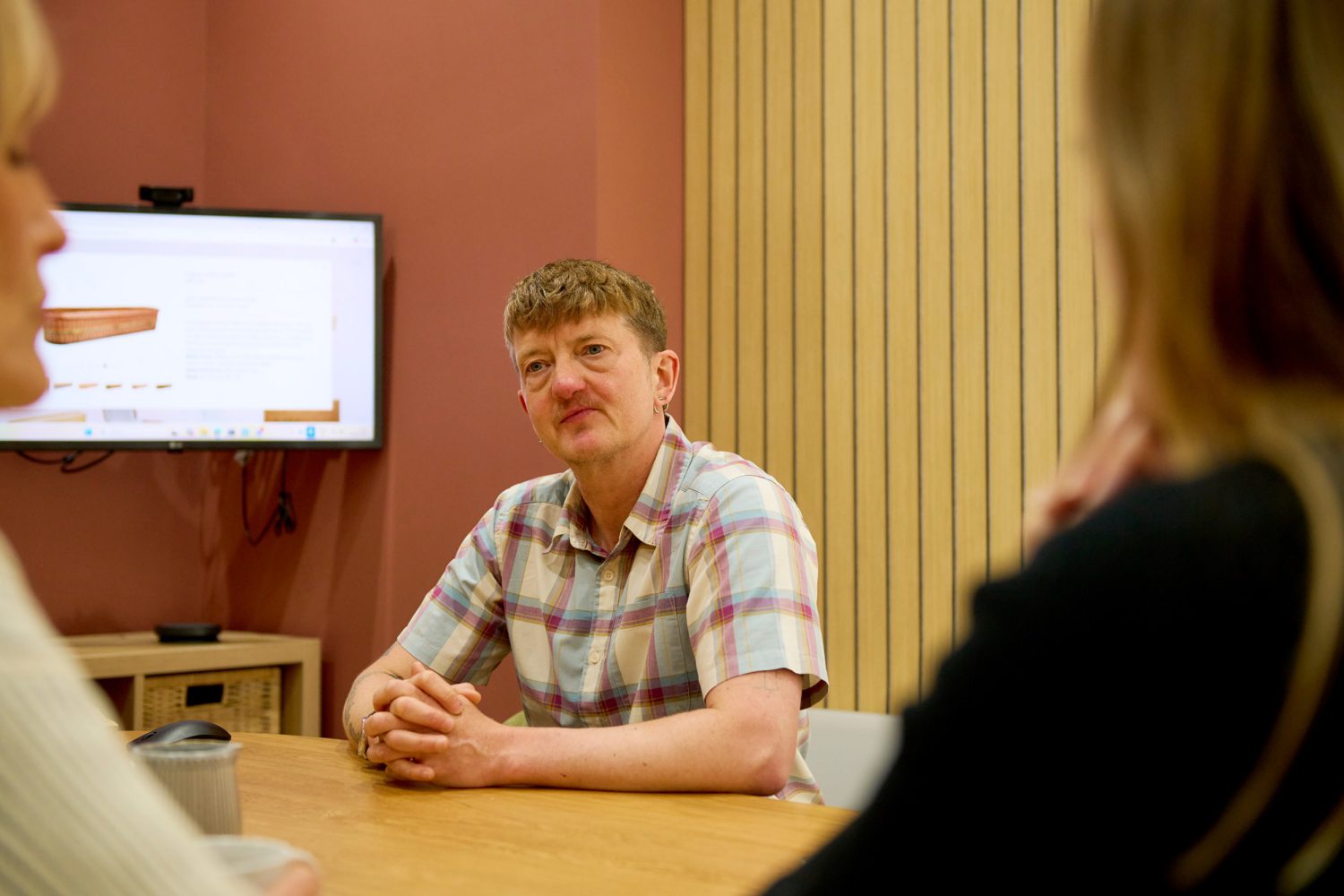
We will arrange a meeting with your funeral director to discuss what you want for the funeral itself. This funeral director is likely to be the same person who is with you on the day of the funeral. Your Client Support Advisor will have shared everything you’ve told us so far with them so you can have a conversation tailored to what you want and need.
This is your opportunity to talk about the personal touches which are important to you, and which express the character of the person who has died. This includes choosing flowers
(if you want flowers), a coffin and a hearse.
We will explain the costs as we go along. We can advise on greener choices and more affordable choices. We will do our best to source whatever you are looking for!
There’s a bit more legal paperwork to do at this meeting too, but we can walk you through it. And, of course, you can ask any questions.
Once all the details have been agreed, we’ll send you a final invoice.
Finding a celebrant
If you ask us to help you find a celebrant, we'll send you details of a couple of people who we think would suit what you’re looking for. You will then need to contact them to plan the music, readings and other elements of the ceremony.
Step six: if you wish, visit the person who has died.
While someone is in our care, you are welcome to visit them, wash or dress them, or bring in clothes for us to dress them.
Our Friends and Family room is different from a traditional chapel of rest. It’s a light and welcoming private space, it’s even been described as a bit like someone’s living room.
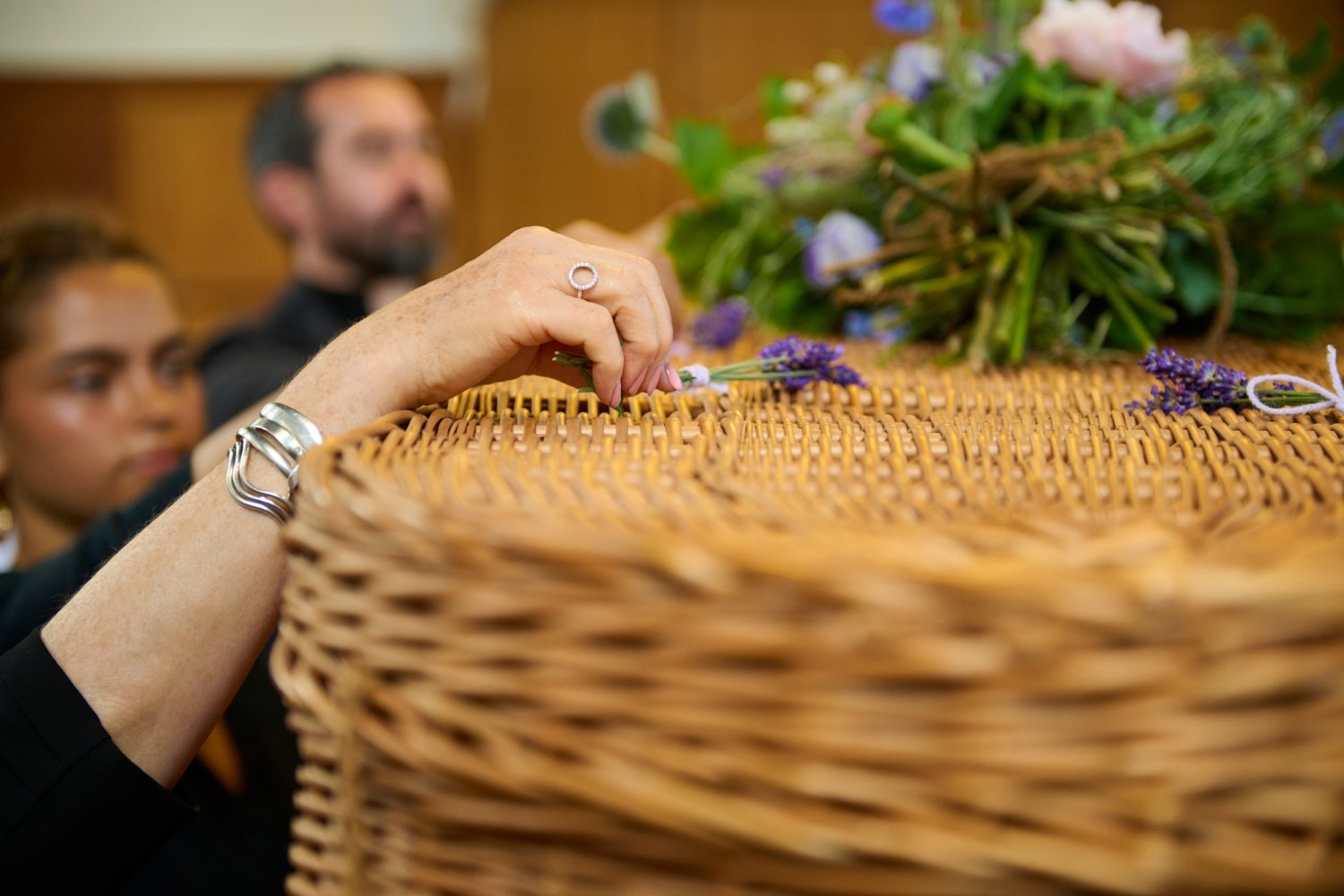
You can bring music, candles, decorations for the coffin, or just sit and spend time with the person. This is your time.
We can also arrange to bring the person home or to a place of worship the night before the funeral if you wish.
Between the meeting and the funeral, your funeral director will stay in touch by phone or email with any updates or decisions that you need to make.
In the run up to the funeral, we’ll give you a call to check the final details and make sure all your questions have been answered.
Step eight: pay for the funeral
Unlike most funeral directors, we don’t ask for a deposit. However, we do ask for payment in full three working days before the funeral. There are slightly different arrangements for a burial and we can talk you through these.
You can pay us by bank transfer, debit card or credit card (not Amex). However, we cannot accept payment via cash, solicitors, personal cheques or credit cards registered outside of the UK.
Step nine: the funeral day
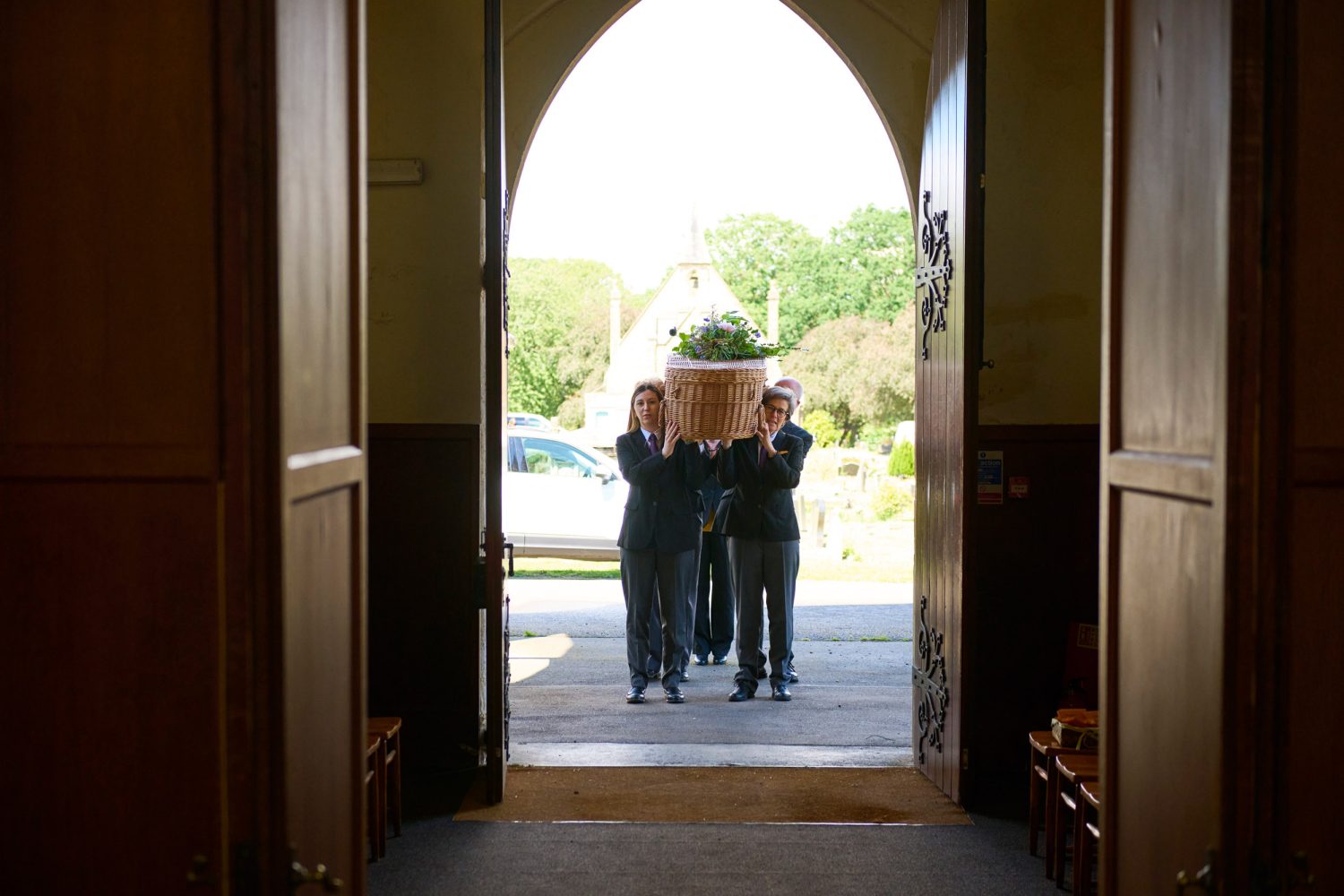
All the arrangements are now in place, and your funeral director will make sure everything runs smoothly on the day.
Your funeral director will be in touch with you a few days afterwards with any final information, for example details about picking up the ashes from the crematorium.
The time after the funeral is about taking care of yourself. There is no time limit on grief. We know that many people need support long after the funeral is over. That’s why we’ve put together this information about charities and bereavement support services who are here to help.