We recently ran a campaign on our socials called ‘many people don’t know this, but…’, where we shared some things that many people aren’t aware of when it comes to funerals and death care. In this blog you can find all the facts we shared - how many of these did you know?
For more ideas, advice and guidance about funerals, explore the rest of our blog.
1. There is often no rush to do anything immediately after someone dies
When someone dies, it is very normal to feel you need to leap into action. But there’s often more time than you might think.
In fact, once the death has been certified by a doctor, there is no rush to do anything else.
The minutes or hours after someone has died can offer an opportunity to spend time with the person, if that’s what you want. It can be a powerful part of saying goodbye, so do take your time.
When you call Poppy’s and ask us to bring your person into our care, there is still no hurry. We will follow your lead and never rush you.
2. Embalming should be your choice…
In most cases, whether you choose embalming is up to you. However, many funeral directors treat it as the default option.
There’s no legal or hygienic reason for embalming. It also uses chemicals that are harmful to the environment. The only time there’s a legal requirement to embalm is when someone who has died in the UK is being repatriated overseas. Airlines sometimes also require a person be embalmed.
At Poppy’s we prefer a natural approach to death care and don’t routinely recommend embalming.
There’s no wrong or right choice when it comes to embalming - but we do believe that everyone should have the information they need to make the decision that is right for them.
3. …and a person doesn’t have to be embalmed for you to visit them after they have died.
Many people think that you need to have your person embalmed if you want to visit them before their funeral. But this isn’t the case.
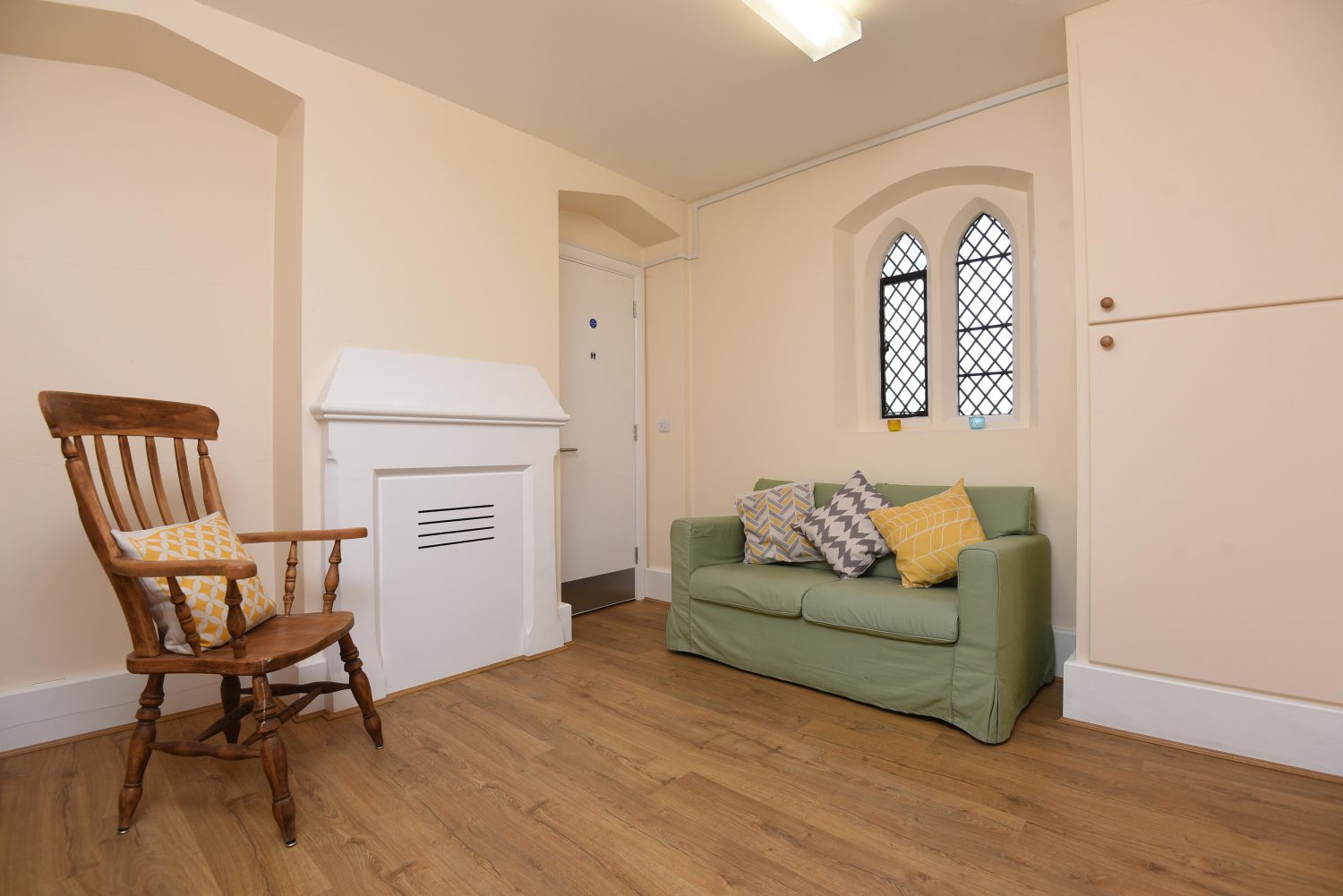
At Poppy’s, we don’t routinely embalm people, yet we welcome clients to our warm and cosy Friends and Family Room every week to spend time with their person.
At Poppy’s we prefer a natural approach to death care. There are visible differences between someone who is embalmed, and someone who is cared for naturally. However, these vary from person to person, and how someone looks after death can also be affected by how they died or by any medication they were on.
When your person comes into our care at Poppy’s, we will let you know how they are looking and what you might expect to see if you come for a visit. Our funeral director Amy says, “we don’t judge or pre-empt how people are going to feel or what meaning there is for them. We simply describe clearly and compassionately what to expect.”
This way, you can make the choices that are right for you - including whether to have your person embalmed.
4. Grave costs can vary a lot depending on the cemetery and where you live
If you are organising a burial for someone, or you think you might want to be buried yourself when you die, one thing you’ll need to consider is where you want that burial to take place.
You may be surprised to learn that costs related to a burial can vary considerably depending on factors including where in the country you are and whether it’s a private or council-owned cemetery or a natural burial site.
The price of the grave also often differs depending on whether or not you are a resident of the borough in which the cemetery is located – fees for residents are generally lower.
Costs of burial also include a separate interment fee - the fee to dig the grave. If the burial plot is in the name of someone else in your family, you may find you need to transfer it to yourself in order to arrange a burial, which can also incur a fee.
5. You can decorate the coffin yourself
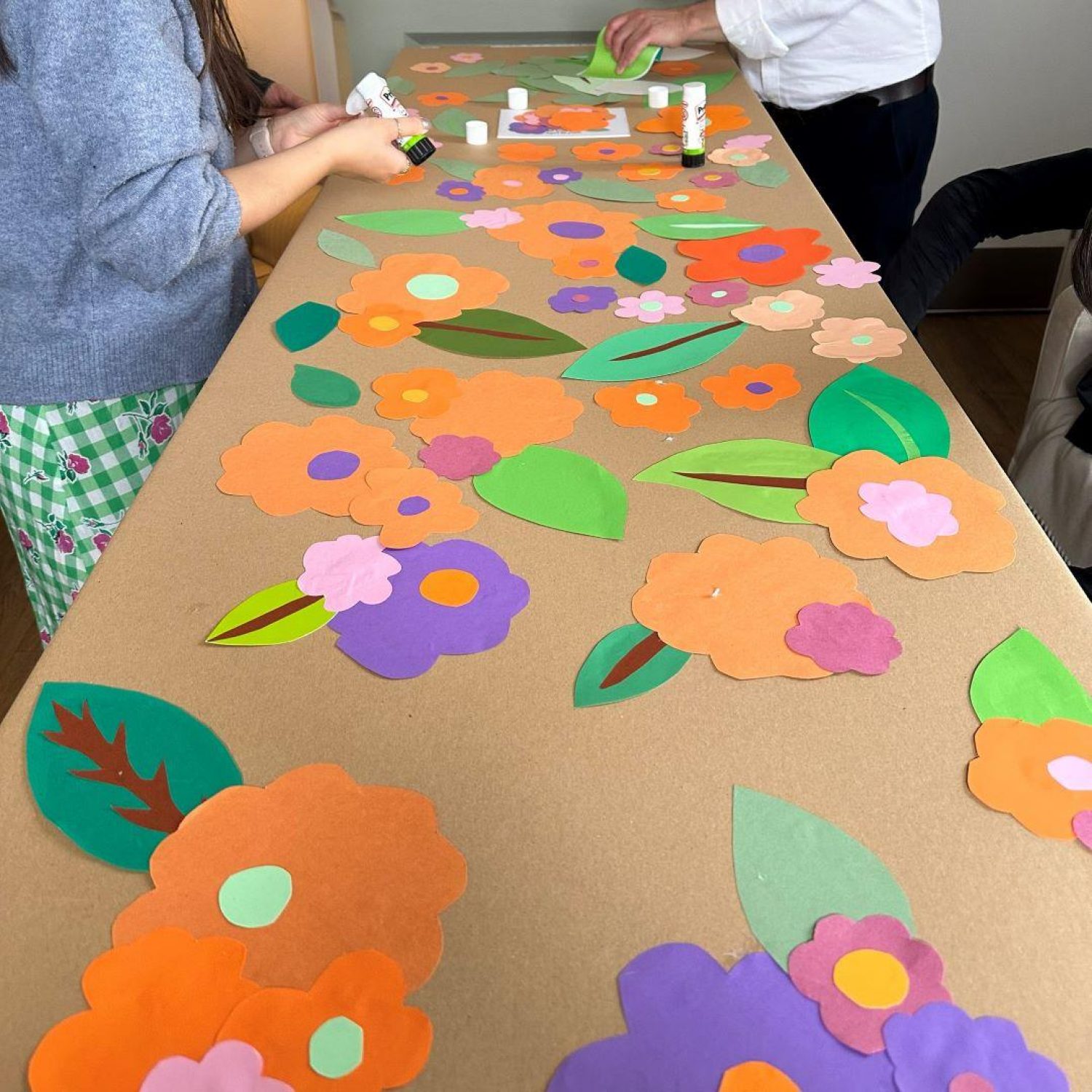
Cardboard coffins are an increasingly popular choice - low in cost, kind to the earth and easily customisable. Our cardboard coffins are hand-lined by the team with natural calico material, and adorned with an engraved wooden name plate, and they can be painted, collaged, drawn upon and more. Clients have customised cardboard coffins in many unique and creative ways.
Not only does a cardboard coffin mean you can decorate or customise it to reflect the person who has died. The decorating process can also be an opportunity to remember and celebrate them.
Clients often join us in our welcoming Friends and Family Room to decorate the coffin. They can play music, have a cup of tea, and talk and share stories – creating new memories in the process. It is also a great way to get the whole family involved, especially young children.
No single choice is right for everyone. But a cardboard coffin can be one way to make a funeral feel really personal.
6. A friend or family member can lead the service
Many funerals are led by a funeral celebrant or religious minister. It can be very helpful and reassuring to have an experienced hand to steer the service - but for some, having a friend or family member of the person who has died leading the service feels more fitting. Learn more about how to lead a funeral service yourself in this blog.
7. In many cases, you can keep someone at home after they’ve died
It’s become common practice for a funeral director to collect someone from home shortly after they die.
As a result, many people don’t realise that, in most cases, if it’s an expected death, you’re completely free to care for someone at home, if that’s right for you.
You may choose to do this because you want to care for a person before their funeral or simply to help say goodbye. You could do this for hours, days or even a week or more.
Read our guide to taking care of someone at home.
8. The funeral sector is not regulated
You may be shocked to learn this, but there are no inspection or quality assurance regimes; barring some public health expectations about how you look after dead people, there is basically no legal framework at all.
This is set to change - an Independent Inquiry into one particularly shocking case of abuse in mortuaries has recommended that there should be statutory regulation in place ‘to protect the security and dignity of people after death’, in every relevant setting.
But it will take some time for this recommendation to be adopted into law. And while regulation will go some way to preventing the worst instances of bad practice, we believe it will take more than regulation to raise the standards across the funeral industry.
This is why we have a mission to bring funerals out from behind closed doors. This is why we encourage people to shop around and ask questions when selecting a funeral director. Because people - both living and dead – deserve better.
Poppy’s believes in bringing funerals out from behind closed doors and having more open and honest conversations about death and dying. For more ideas, advice and guidance about funerals, visit our blog.
If you’re ready to organise a funeral, we’re here for you. Get in touch with us.