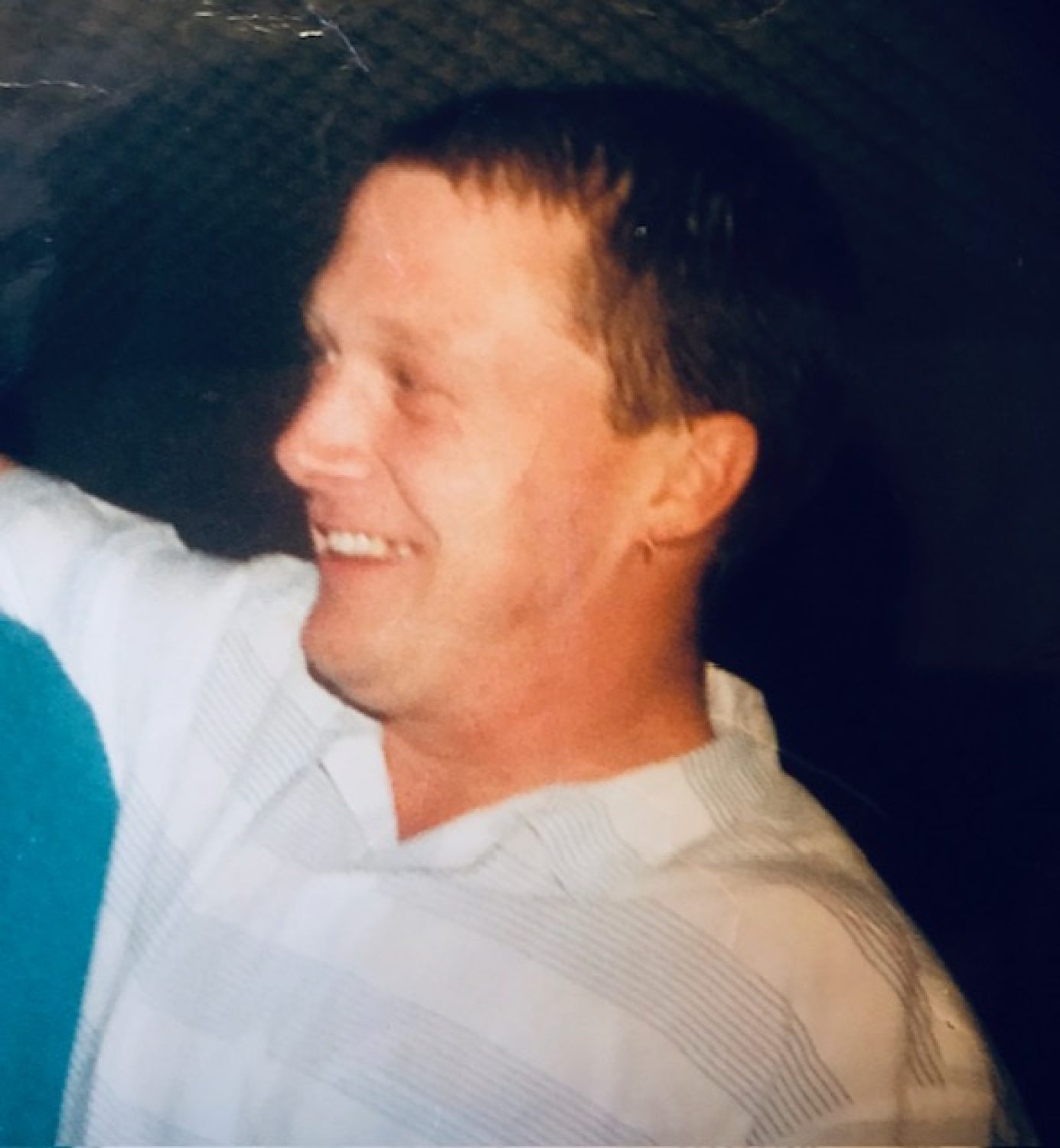
Holly is a Client Support Advisor at Poppy’s. Holly’s dad, Lee, died by suicide when she was fourteen. In this blog, she shares her story and talks about how she relates to her grief - including the unique challenges both of losing a parent, and losing someone by suicide. Read on to hear why it’s so important to normalise talking about death by suicide, and how Holly’s experiences have informed what she does here at Poppy’s.
How old were you when your dad died?
I was 14 when my dad died by suicide. As you might imagine, it was sudden and unexpected.
My world got turned upside down. We went from being a two-parent household to being a one-parent household. That was a huge adjustment in addition to navigating my own grief.
Losing a parent as a young person can be lonely and isolating; even more so if you have no-one around you that’s been through a similar situation.
I didn’t know of anyone that lost someone to suicide. And I had friends whose parents had died but when they were a lot younger, and it felt different to me because of the way he died.
What do you remember from around the time your dad died?
I remember the funeral was early in the morning; I remember him being brought in by the bearers, and I remember sitting there in the front pew. But the actual service - I couldn't tell you what was said. And then suddenly it was over.
Afterwards, I just wanted to go back to normal, I suppose. I didn’t know how to deal with this ‘new’ life of understanding grief for the first time and still trying to be a teenager.
One of the many things I do remember quite clearly is the long period of the coroner's investigations. From the day that he died up until the day of the funeral was around two months. It was the first time I had to understand what a coroner does.
Now that you work in the funeral sector, please tell us, what does a coroner do?
They investigate a person's cause of death. If it's unexpected or quite sudden, or if there are no obvious underlying health issues, they determine why the person died.
Do you have any recollections of how the people around you dealt with what you were going through?
I had a couple of friends say, ‘oh, I'm really sorry’ - and that was kind of it.
Some people stopped talking to me because they didn't want to talk about it. It became the elephant in the room.
When adults spoke to me, it was always, ‘make sure you look after your mum’, rather than ‘are you doing okay?’. That is a big responsibility to give anyone, let alone a child.
Can you remember what you found helpful for your grief, if anything, at that age?
For me it didn't really get easier, even as an adult, because I didn’t know who to talk to about it, or if I could. I think I suppressed it and just carried on.
What about now - how do you relate to your grief today?
It’s still very much present with me on anniversaries - whether it's dad’s birthday, his day of death or Father's Day. I feel like I can’t escape it. I try and stay away from social media on those days and protect my peace.
For me, it’s trickier to navigate occasions like my own birthday and Christmas. And then sometimes it just hits me out of nowhere. For example, my dad was a scaffolder, and travelled around central London for work, so he was great with directions. Now, when I need to travel somewhere in London, I think, ‘I have to figure this out myself, he isn’t here for me to ask’.
As an adult, do you find people still find it hard to know how to talk with you about how your dad died?
Yes - I started internalising the idea that I shouldn't talk about this anymore. I’d think to myself, ‘I'm not going to say anything because I don't want anyone else to feel awkward or uncomfortable’. Even though my dad dying by suicide was out of my control and I should be able to talk about it. I'm always very aware of how it will make someone else feel.
Over the years, I've learned that I can talk about it and that I want to. That’s why I wanted to share my experience - to humanise this kind of grief. It’s something I wasn’t educated about until I experienced it face on.
Is there anything other people can do when talking to someone bereaved by suicide that you’ve found helpful?
I think normalising it as much as you are comfortable with, and allowing the person to feel safe to talk about it, but in a way where it's almost normal and not so scary.
What advice would you have for someone coping with the death of a parent?
I’d tell them that it's okay to grieve in whatever way you feel. You don't have to just carry on - as much as life does go on - you don't have to move quickly.
Be kind to yourself; there is no rhyme or reason to how that looks. You could think you’re doing okay and then it might hit you out of nowhere. That's fine - just take a step back and do what's best for you, to care for yourself.
Is there anything that you would say to someone organising a funeral for a parent?
Getting the support you need is important. I think it’s also great to be open with children on ways to be involved, if that feels okay and appropriate for them. There are many ways that Poppy’s can support with this. Read how Catherine involved her children in visiting their dad at Poppy’s.
At Poppy’s how do we help people who have been bereaved by suicide to feel safe to talk about their person with us?
We wouldn't treat them differently – that’s important. We will treat everyone, the living and the dead, with kindness and respect.
We will call someone's person by their first name, and we’ll check if they’re known by any other name. I think that's always helpful.
But when someone's died by suicide, I think that demonstrates why it’s so important that we never rush any of our clients. There is no rush, unless they want to proceed quickly. I've had clients whose person has died by suicide that are quite to the point and transactional, which is totally fine, but others that need to take it slowly.
If someone picks up the phone to us, it might have taken them a long time to prepare themselves to make that phone call. I think it’s important to acknowledge that they’ve taken a big step, rather than trying to go through the finer details. We can follow up by email and pick up when they’re ready. And I think giving them that option gives them some kind of control, which is what they might need.
Lastly, when their person has come into our care, we can talk them through their person’s condition if they want us to, and we will always provide the opportunity for family to spend time with their person. We give clients the information they need to make an informed choice.
Visiting someone in Poppy’s mortuary – your questions answered.
Do you feel that your personal experiences at a young age steered you towards a career in the funeral sector?
I think my personal experience does steer me a little bit, especially now being here at Poppy’s, because we do things in a different way. Because of my experience, I want to advocate for our clients and their person. I want to go that extra mile for them, because I know the difference it can make.
Thank you to Holly for sharing her story.
You can find a list of resources for grief and bereavement here, or guidance for anyone supporting someone bereaved by suicide here.