12 ideas for marking a death anniversary, whether it’s the first anniversary or the thirtieth.
A death anniversary marks the day when a person has died.
Death anniversaries may be particularly difficult in the first few years following the death; but there is no ‘time limit’ on grief, or on remembering the person who has died.
Death anniversaries are deeply personal, and there is no right or wrong way to mark an anniversary. For some people, the day might offer an opportunity to remember, celebrate and feel close to the person who died. For others, it might be a dreaded date in the diary - a day that serves as a reminder of grief, and which you just need to ‘get through’.
Here are some ideas of ways to mark a death anniversary
When thinking about what to do to mark the anniversary, don’t worry about doing something ‘traditional’, unless that’s what is right for you. The best way to mark this day is the way that works for you and reflects who the person was and your relationship to them.
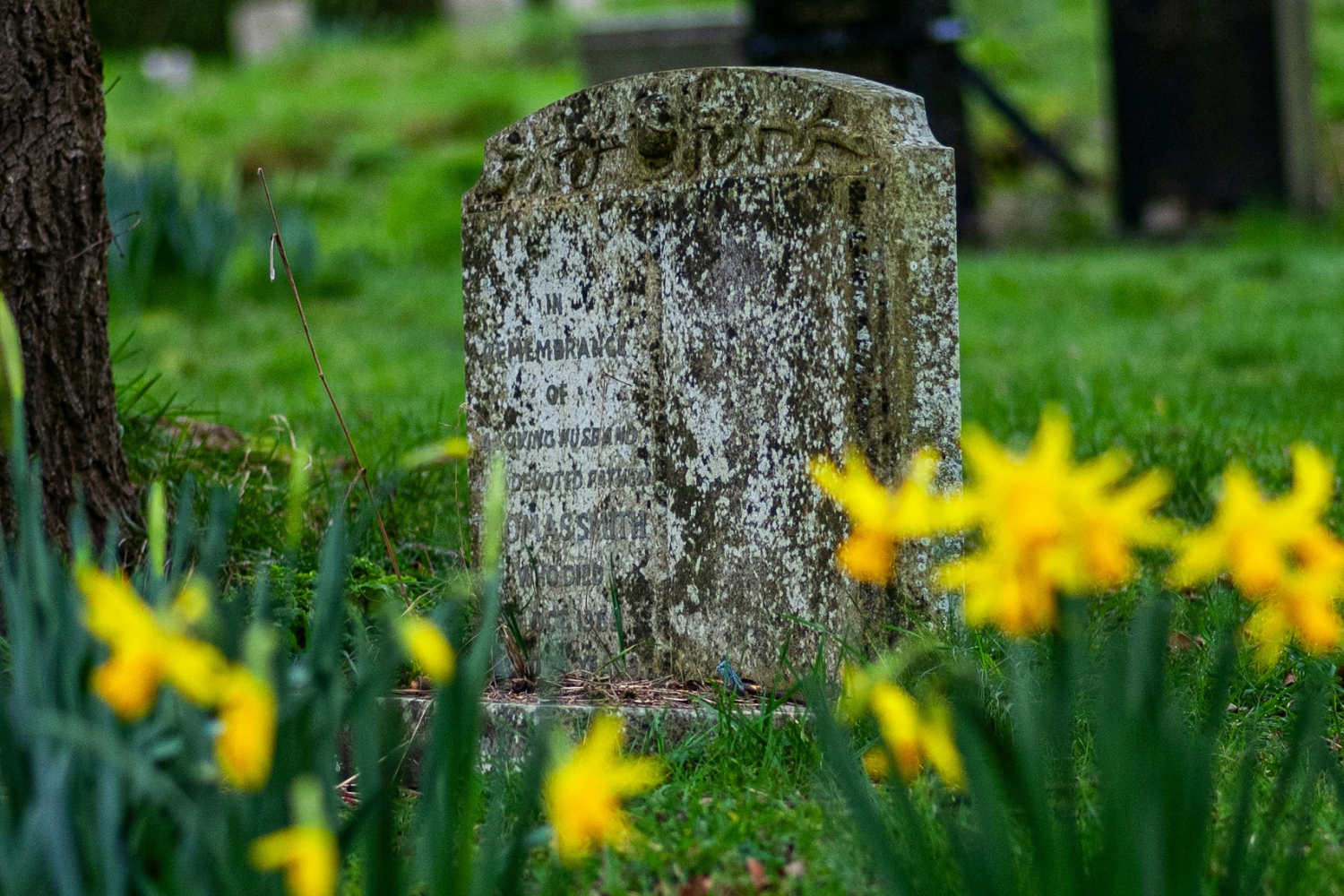
1. Visit your person’s grave or the place where their ashes were spread
You might go with other people who want to remember the person, or you might go alone. You could take a candle with you, or some fresh flowers. Or if that wasn’t really your person’s style, take a speaker and play their favourite song - or bring a slice of their favourite cake, or a tot of their favourite tipple.
2. Look at photos, videos or other items of memory for the person who died
Go through the photos as a reminder of your memories with the person. Perhaps you might like to take this chance to select some photos to be printed and put into a photo album, framed or collaged into a scrapbook. This can be a lovely way to include children in the process – you might tell stories about the person as you go, or answer any questions that come up for them.
3. Come together with other people
Death anniversaries can be tough. It might feel good to be with other people - whether that’s others who knew the person, or simply people who you trust.
If it’s not easy to gather, even a quick voice note to someone else who may be missing the same person can be a way to connect and may give the other person permission to share how they are navigating the day themselves.
One thing to bear in mind though, is that everyone grieves differently, and the others around you that are grieving may want or need something quite different on the day of an anniversary. It is absolutely ok to mark the moment in different ways – it doesn’t mean that the way you or another person is grieving is 'wrong'.
4. Do nothing
We mean this literally. If you need to and are able to, take the day off work, stay home and keep thing as simple and gentle as possible.
Or, perhaps what would work best for you would be to have a ‘regular’ day. There’s absolutely nothing wrong with this. You might let those around you know that this if your plan, and they can support you by helping you to feel as ‘normal’ as possible.
“For some of us, it can be too painful to mark the anniversary of our person’s death,” says Poppy’s funeral director Maia. “This may manifest as a ‘numbness’, especially in the early years after a death.
"This does not mean you’re forgetting about your person. Grieving is hard enough without putting pressure on yourself to remember them in a specific way - and in the future you may feel differently, returning to the idea of marking the anniversary."
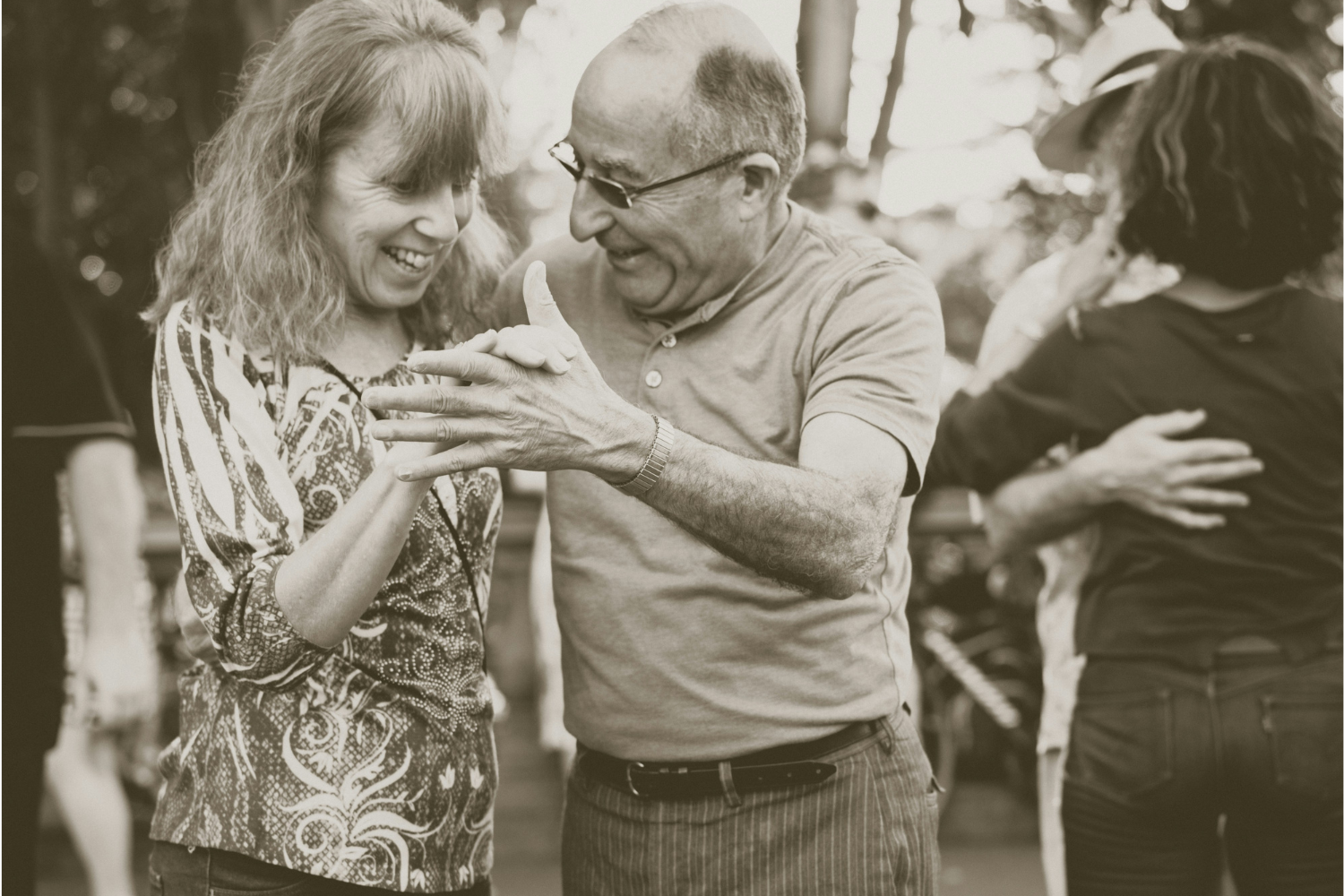
5. Do something the person loved, or that you loved to do together
Whether it’s salsa dancing, whiskey tasting, gardening or something else completely, do something that reminds you of them.
If there was something you always meant to do but didn’t get around to, maybe today is the day to do that thing in memory of them. This may bring up a lot of feelings; be kind to yourself. Maybe this year it’s still ‘too soon’ – you can always try again next year.
6. Let your people know how to support you
Death anniversaries, and grief in general, are so personal, and may feel different about the day from one year to the next. You may find that you anticipated the death anniversary would be the hardest day; but instead, it was your own birthday or another festive event, or, simply the lead up to the day itself.
If you feel you can, let the people around you know how they can best support you. This could be:
- Letting your team at work know that you will be working from home on that day, or that you’d rather not talk about the death with anyone. Perhaps your manager can send a discrete note around so you don’t have to.
- Letting friends know the day is approaching and how you’d like to approach it.
“You may find that some people remember that this is a significant date for you; for others may be a passing thought,” says Client Support Advisor Holly. “Some people may remember but be unsure how to talk to you about it - especially if there is any stigma around the nature of the death. If you let people know what you’d like ahead of time, it can help people to show up for you. That could be ‘please check in on me on that day’, or it could be ‘please send me memes to distract me!’. You might not have the headspace to do this; but if you can, it can help prevent you feeling isolated or overwhelmed on an already tough day.”
7. Acknowledge your feelings – and try not to compare yourself with others
Remember there’s no right or wrong way to feel on days like this. As best you can, be particularly kind to yourself on days like this. This applies whether it’s a death anniversary, a birthday or another festival like Christmas, Eid or Chanukah. Some people find it helpful to take a social media break on days like this.
You may not feel the same way on this day as others who are navigating the same loss. Try not to compare, or to feel the pressure to feel or do the same things. For some, an anniversary is an opportunity to feel close to the person who has died. For others, it’s a day to get through. The best thing you can do is try to listen to what you need.
8. Visit a place with special meaning to you or the person who died
If nowhere comes to mind, or it’s not feasible to visit a certain special place on this day, perhaps there’s a quiet place in nature you can visit to take a moment to remember them. A quiet park, under a tree or beside a body of water can be gentle places to take a moment to remember your person.
9. Write
Writing can be a powerful way of making space for your feelings.
You might try journalling – simply writing what comes to mind. You could write a letter to your person, sharing some of the things that have happened which you would have liked to tell them about. Writing a poem or a song can be another way of expressing yourself.
Remember – your writing doesn’t have to be ‘good’ and you don’t have to share it with anyone, unless you want to.
10. Listen to a song that your person loved
Whether they loved classical, drum’n’ bass or heavy metal, music is so powerful and a great way to connect with your memories of a person. Don’t be afraid to song along or dance!
You could make a playlist of your person’s favourite music to listen to when you’re missing them.
11. Light a candle for them
This is such a simple yet poignant way to remember your person. The flame can represent your memory of them. If your person had a favourite scent, you could choose a scented candle to make it a truly multi-sensory experience.
12. Donate to a cause that they cared about
If your person was passionate about something, making a donation on their behalf can be a way to remember them and to honour their values. If money is tight but you have a little time, you could explore volunteering somewhere. This option may need a bit of pre-planning and might not be possible on the precise day of the anniversary, so it’s worth thinking about this one in advance if you can.
Read our blog on what can help with grief, bereavement and loss.
Find more bereavement support here.