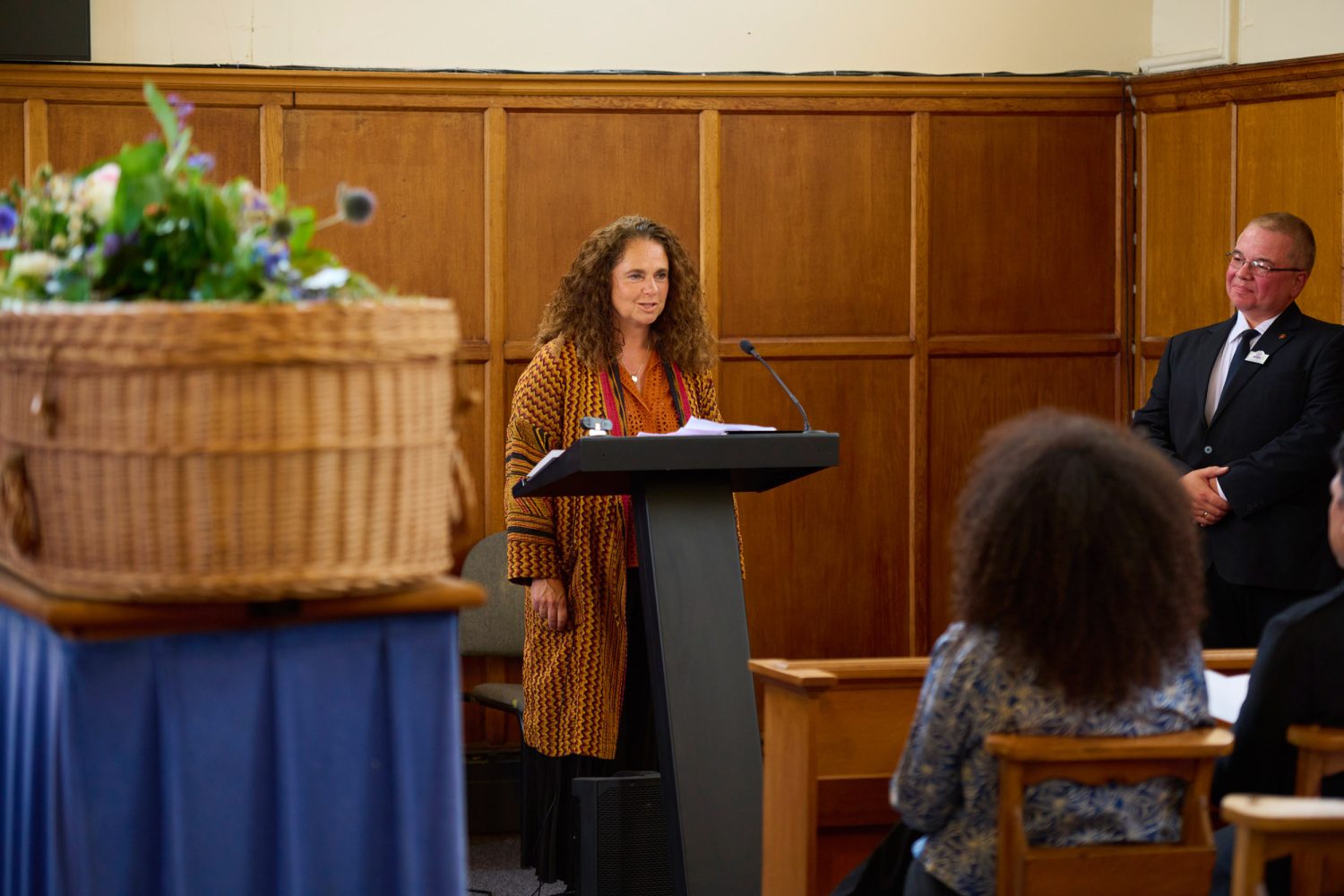
Writing a eulogy can be difficult, and many people struggle with getting started. The key thing to remember is that there’s no right or wrong way to write a eulogy, and it’s not a performance, so it doesn’t have to be perfect.
Here are some practical steps to guide you through the writing process and help you prepare to deliver the eulogy on the day.
Poppy’s funeral director Genevieve's number one tip is “read your eulogy aloud to yourself and to others and make sure it's in your style and uses the sort of language you would use day to day. The more natural it feels, the more comfortable you will be when delivering it.”
How do I get started writing a eulogy?
You don’t have to immediately start writing in polished sentences. You might first need to gather information and reflect on what you feel is important to get across with your words. To get the ball rolling, you could try:
- Sitting in a quiet place with a coffee and noting down memories and details about the person. If putting together sentences feels too tricky, you could try bullet points or a mind map, jotting down key words and ideas without worrying about how to phrase them perfectly.
- Talking to someone you trust, or someone else who knew the person. Consider recording the conversation so it’s easier later to recall what you discussed and what you might like to include.
- Asking other family members and/or friends if there are memories of the person who has died which they would like you to include. This can help highlight different aspects of their life or personality.
- Go over texts, emails or letters from the person. Go gently – this could bring up a lot of emotion, but will also remind you of your person, and things you did or enjoyed together.
What to include in a eulogy?
Many people like to give something of a biography of the person who has died – where they were born, early life, career achievements and so on. This can be a helpful part of the service; a reminder of who the person was, and an acknowledgement that the people in the room may have known the person from different parts of their life.
However, you do not have to take this approach if that doesn’t feel right to you. Another way to look at the eulogy is with the question, ‘what is the one thing you’d like the people listening to know about the person who has died, or your relationship to them?’
How to structure a eulogy?
There is no right or wrong way to structure a eulogy. A few ideas for formats include:
- You might start with a few simple details about their life and achievements; follow this up with what they meant to you as a person; and conclude with one or two things you would like to thank the person for.
- Your eulogy doesn't have to be chronological, though – another place to start would be your last meeting with that person, and let that remembrance lead you into talking about the person and the relationship you had.
- In the form of a letter to the person who has died – speaking directly to them. You might tell them about a few times or occasions in the future you’ll particularly miss them.
- Tell three specific anecdotes or memories which help convey something about who they were as a person.
- Get creative - was your person an amazing baker? You could structure it as a ‘recipe’ of things which made the person who they were; or if they were a keen gardener, perhaps you could use the garden as a metaphor for their life.
How honest should I be in my eulogy?
Not everyone has a straightforward relationship to the person for whom they are writing a eulogy.
There is no right or wrong answer to this question, but a little honesty can be a helpful thing. Sometimes gently acknowledging someone’s foibles (we all have them!) or the challenges they faced can make a eulogy more ‘real’, and in that way, be even more helpful for those listening.
If you’re unsure, run your thoughts by a trusted friend to see if you’re hitting the right tone. It’s worth thinking about how your words will be received by others attending the ceremony - if something you plan to share will come as a shock to other guests, it may not be the time to say it.
How long should my eulogy be?
Aim for around three to five minutes. This is usually long enough to share meaningful memories without feeling rushed. It is surprising what you can cover in five minutes, leaving room in the service for other elements such as music, readings or other tributes. Leave enough time to be able to pause if you need to, and not reel rushed.
How do I prepare to give my eulogy?
If you can, read your eulogy aloud to yourself or someone you trust before the day. Time yourself so you know how long you will be speaking for.
When rehearsing, if you find yourself getting stuck on certain sentences or phrase, try saying it another way. Often you’ll come across a more natural way of phrasing yourself that suits how you actually speak.
Don’t worry about memorising or over-rehearsing yourself. This isn’t a performance.
Lastly, print a copy of your speech in a large font with generous spacing, and ensure you break your words down into paragraphs.
On the day, try to remember to take your time and to breathe. You might feel like you are speaking for a long time, but it won’t feel that way to those listening.
How do I get through my funeral speech without crying?
The first thing to remember is that it’s totally normal to be emotional. Funerals can bring up a lot of emotion – and not just sadness, either. Depending on your relationship with the person who has died, you could be feeling grief, anger, numbness or even relief.
If you’re worried about being able to make it through the whole eulogy, ask someone you trust - a friend, or perhaps the celebrant or ceremony leader - to step in if you find you can’t continue. Print a spare copy to give them.
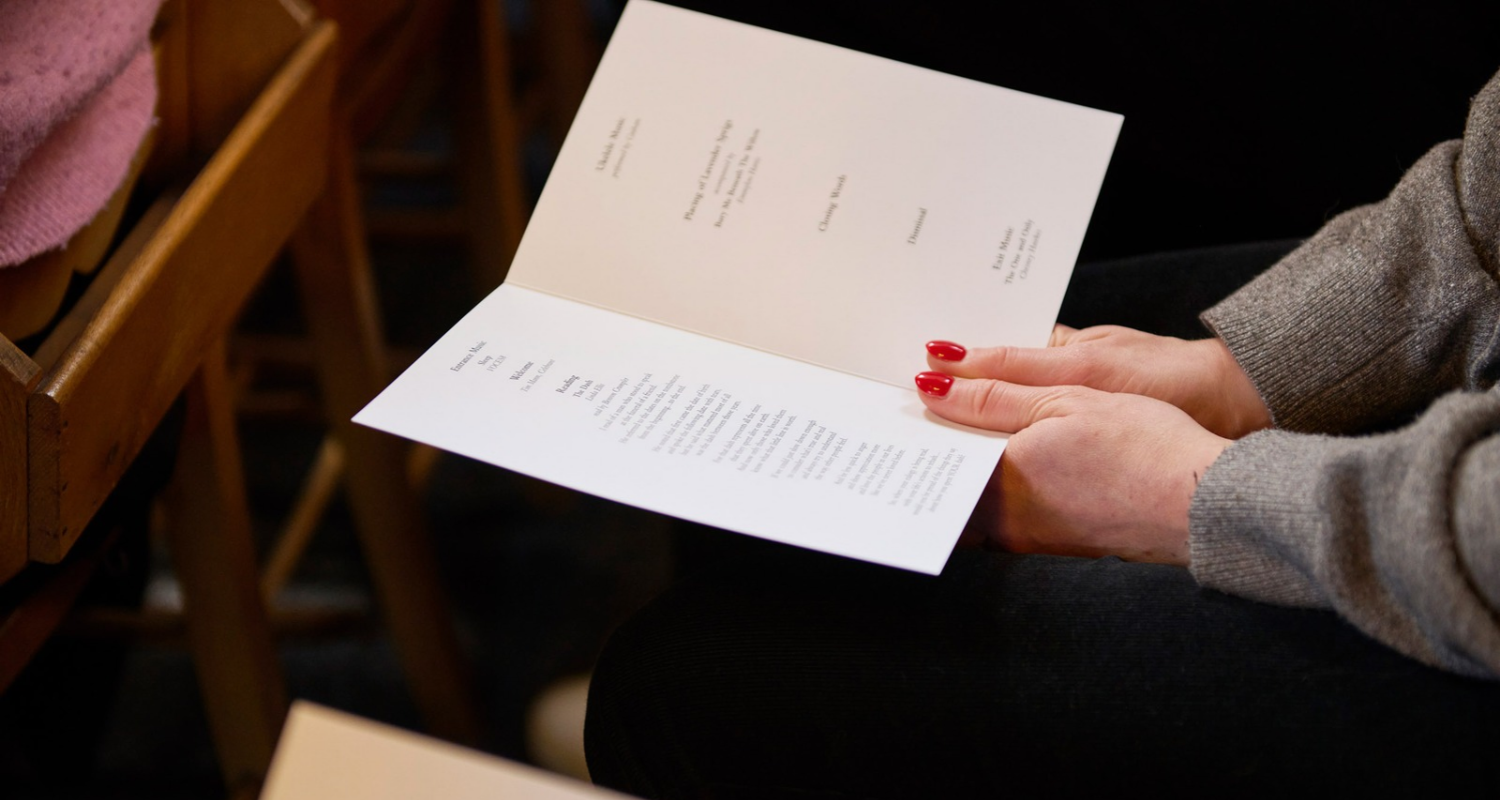
We hope these tips are useful. Read our blog on how to create an Order of Service, or what to do on the day of the funeral.
We’re here for you if you need us. Get in touch with us
with any questions - or get an estimate anytime, day or night.